

The Complete Guide to UV Protection for Your Eyes
You wear sunscreen. You drink water. But are you protecting the one thing you literally cannot live without — your eyesight?
UV damage to your eyes is cumulative and irreversible. Every hour in the sun without proper protection adds up. Here is what you need to know about UV protection sunglasses and why UV400 polarized lenses are the gold standard.
What UV Actually Does to Your Eyes
Ultraviolet radiation comes in three types: UVA, UVB, and UVC. Your eyes are vulnerable to all of them:
UVA (320-400nm): Penetrates deep into the eye. Linked to cataracts and macular degeneration. Passes through clouds and glass.
UVB (280-320nm): Absorbed by the cornea. Causes photokeratitis (sunburn of the eye). Most intense between 10am-4pm.
UVC (100-280nm): Mostly absorbed by the ozone layer, but reflected off water and snow.
Why UV400 Matters for Sunglasses
When you see UV400 on a pair of sunglasses, it means the lenses block all light rays with wavelengths up to 400 nanometers. That covers 100% of UVA and UVB radiation.
This is the gold standard for eye protection. Do not buy sunglasses without UV400 rating.
Polarized Lenses: More Than a Buzzword
Polarized sunglasses do something UV protection alone cannot: they eliminate glare. Reflected light from water, roads, snow, and glass creates horizontal light waves that cause squinting, eye strain, and visual distortion.
Polarized lenses contain a special filter that blocks these horizontal waves while letting normal light through. The result: clearer vision, less eye fatigue, and better color contrast. This is why polarized wooden sunglasses are the preferred choice for outdoor activities.
The Dark Lens Trap
Here is the dangerous part: dark lenses WITHOUT UV protection are worse than no sunglasses at all. Dark tint causes your pupils to dilate, letting MORE UV radiation into your eyes.
Always check for UV400 protection. Lens darkness does not equal UV protection.
Wood vs. Plastic Frames: Does Material Matter?
For UV protection, it is all about the lenses. But frame material affects comfort, durability, and long-term wearability:
- Wooden sunglasses frames are lighter, hypoallergenic, and naturally unique — learn more about wood vs. plastic
- Plastic frames are cheaper but deteriorate faster and contribute to landfill waste
- Metal frames conduct heat and can cause skin reactions
At Cali Life Co., every pair comes with polarized UV400 lenses in handcrafted wooden frames. Full protection, zero compromise.
How to Choose the Right UV Protection Sunglasses
- Always verify UV400 rating
- Choose polarized lenses for glare reduction
- Pick frames that fit comfortably for all-day wear
- Consider sustainable materials like bamboo and wood
- Look for spring hinges for durability
Ready to protect your eyes the right way?
Shop UV400 Polarized Wooden Sunglasses at Cali Life Co. →
Explore More
- Shop All Sunglasses (UV400 Polarized)
- Eco-Friendly Sunglasses
- Complete Guide to Eco-Friendly Sunglasses
- What Are Plant-Based Sunglasses?
- Wood vs Bamboo: Which Is Better?
Shop polarized UV400 frames

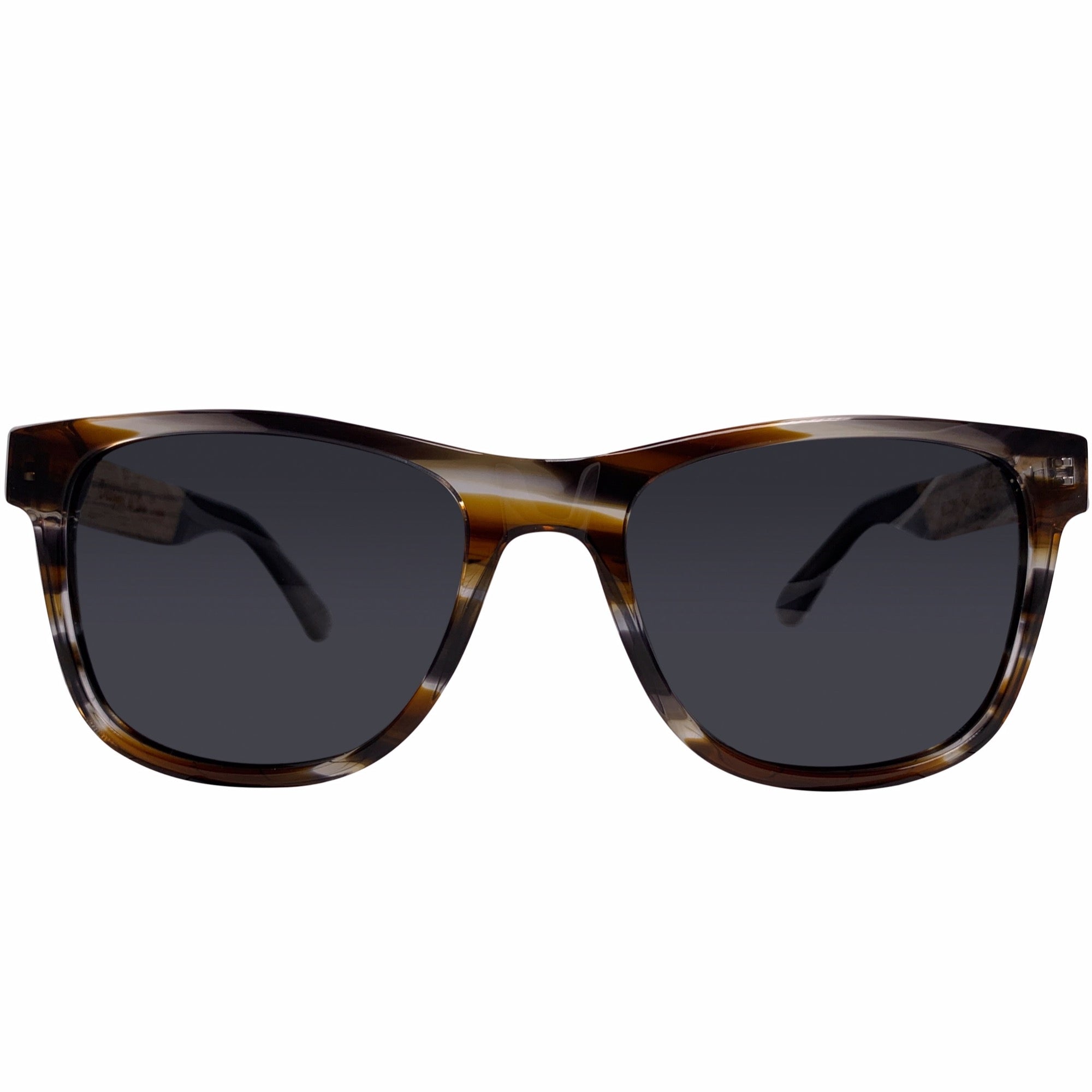

Polarized UV400 - real wood and bamboo - lifetime warranty - designed in California.